jamal
jamal 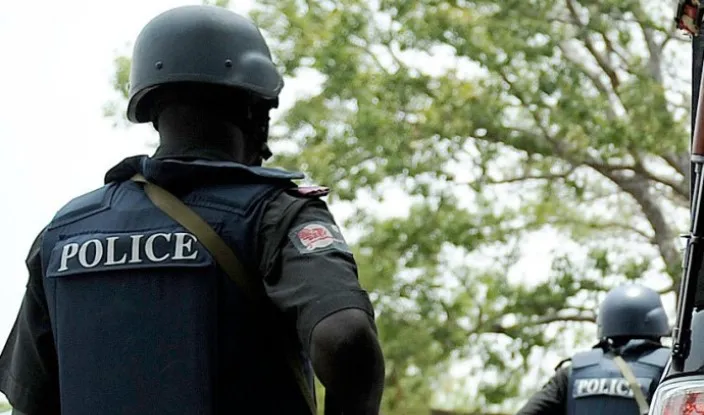
Concerns regarding press freedom and the safeguarding of journalists in Nigeria have surged due to a series of incidents where security personnel labelled media individuals as wanted, apprehended reporters, and detained investigative journalists for their work.
The Cybercrimes (Prohibition, Prevention, etc.) Act of 2015, revised by the Amendment Act of 2024, particularly the Cyberstalking clause (Section 24), states that sending deliberately false messages through computer systems with the intent to cause annoyance, inconvenience, threats, or offences is punishable by up to three years in prison or a fine of N7,000,000. Nigerian security agencies have been utilising this provision to target media professionals within the country.
The inquiry uncovered that several journalists have recently been monitored by police, not due to any wrongdoing but simply for performing their legitimate duties, which some influential figures in the government find objectionable.
In a country where corruption is the other of the day among the political elites, security agents and private sectors, covering up the truth is common.
The individuals identified include Bosun Awoniyi from Xinhua News Agency, Boluwaji Nifemi Adekola from Independent News Express, Segun Olaitan of News Daily, Tunde Emmanuel Akinsinde from P.M. EXPRESS, Kikelomo Awosiyan, a female commentator on public affairs based in Ilorin, Kwara State, Akinola Oluwasanmi from The Spectator, and Steven George, associated with The World Environment News.
According to police reports, the rationale behind placing these journalists on the watchlist was that they had been served with a summons they chose not to attend.
Notably, a significant recent incident involved investigative journalist David Hundeyin, who claimed in September 2024 that the Nigeria Police Force had declared him a wanted individual related to the prosecution of a confidential whistleblower identified as PIDOM Nigeria. During a press briefing in Abuja, police officials connected him to the contentious case, eliciting extensive backlash from civil society organisations and advocates for the media.
Hundeyin, recognized for his investigative analysis of corruption and governance matters, characterised the action as an assault on journalism and freedom of speech. This incident ignited strong responses on social media, where numerous Nigerians questioned why journalists and whistleblowers seemed to face more aggressive targeting than violent offenders.
Advocates for media rights have also highlighted the case of journalist Daniel Ojukwu, who was detained in 2024 under Nigeria’s Cybercrime Act, as evidence of the growing pressure on independent journalism. Ojukwu, a reporter with the Foundation for Investigative Journalism (FIJ), was reportedly incarcerated for over a week without formal charges after publishing an investigative article on purported corruption involving government officials.
International bodies, including the Committee to Protect Journalists, condemned the arrest and urged Ojukwu’s immediate release, cautioning that cybercrime legislation is increasingly being weaponized to stifle dissent and investigative journalism in Nigeria.
In a similar vein, the Lagos State Police Command labeled activist and Sahara Reporters publisher, Omoyele Sowore, as wanted in 2025 due to his participation in a demonstration against demolitions occurring in Lagos. Nevertheless, a Federal High Court subsequently determined that this action infringed upon his constitutional rights and awarded financial compensation against the law enforcement officials.
Organizations championing press freedom contend that this trend indicates a larger assault on journalists, bloggers, and activists who criticize government entities. Global media monitors report that Nigerian reporters continue to endure threats, intimidation, unlawful detentions, and legal challenges while engaged in investigative reporting.
Online dialogues have further revealed an increasing concern regarding the status of free speech within the nation.
In spite of the video evidence shared by Fisayo, neither Customs nor the House of Representatives took any action regarding the issue. Instead, they issue a declaration making Fisayo a wanted person.
Human rights advocates have consistently called on Nigerian governmental bodies to adhere to constitutional guarantees for freedom of expression and to ensure that journalists can work without experiencing intimidation or apprehension of arrest. Analysts caution that ongoing antagonism toward the media could undermine democratic oversight and deter investigative journalism throughout the nation.